02 / SYSTEM BOARD
SYSTEMS / 01
Build the
system people
can work with.
Huladiven is a full-stack engineering studio for product systems that need a clear working centre. We connect interfaces, services, data flows and operating needs around the actual decisions a team has to make.
Start a systems note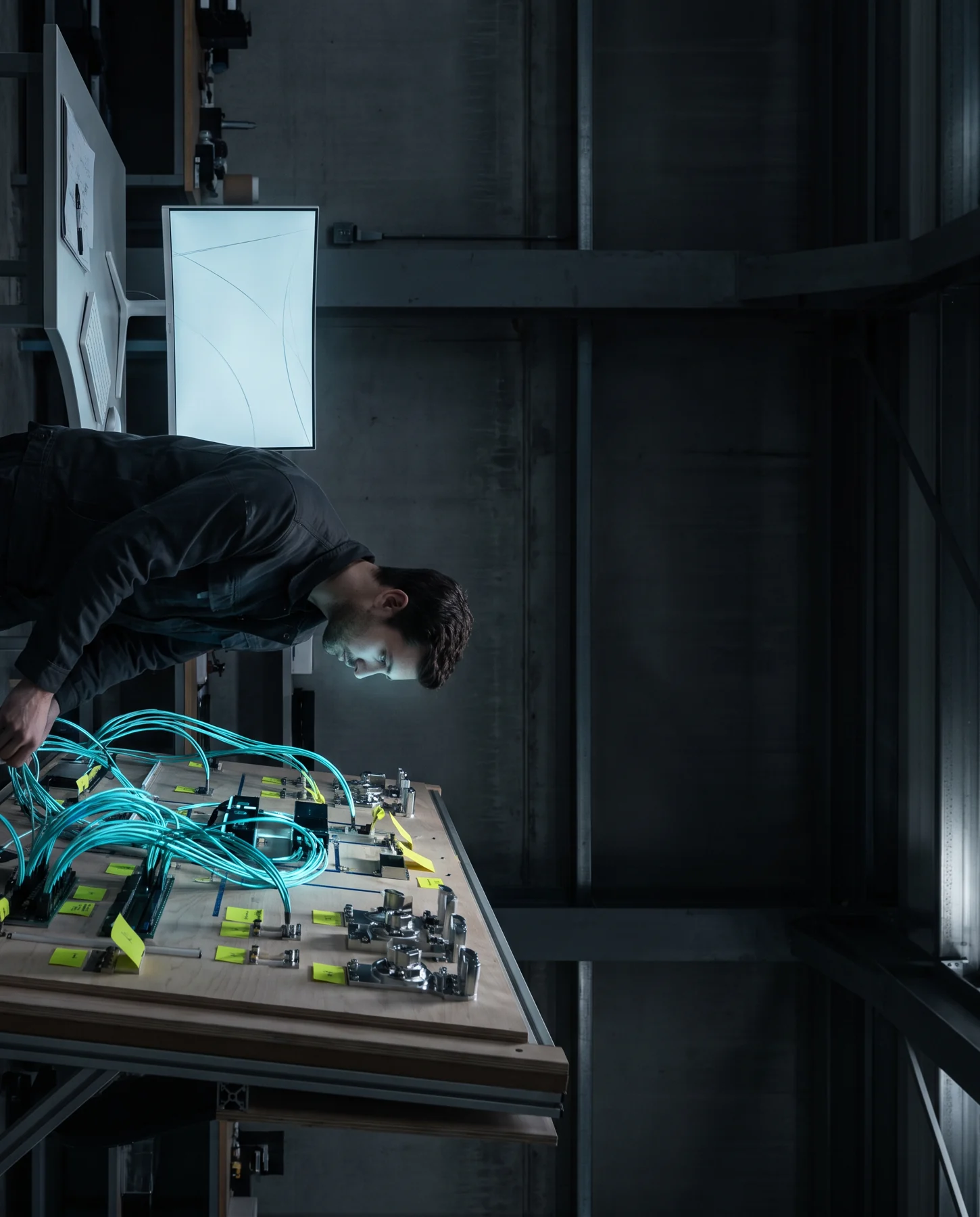
Start with the
What does a person need to understand, choose or recover from?
Which boundary owns the action and what does it need to know?
Who can observe the condition when the ideal path breaks?
03 / BOUNDARY PANEL
Make the
hidden edges
visible.
Full-stack engineering has edges: between a screen and a service, a permission and an action, a record and an explanation. Naming those edges helps a product become easier to operate and safer to change.
04 / SYSTEM LENS
Choose the
question before
the tool.
CURRENT LENS
Flow / Can the critical action move through the system clearly?
Flow examines the path from intent to state change, including feedback, boundaries and recovery. It asks what is actually happening rather than treating a successful screen as the whole product.
05 / PRODUCT CONVERSATION
Keep the
technical choice
near the product need.
A system is stronger when its technical decisions can be traced to a product condition and when product conversations acknowledge the operational reality behind a screen.


06 / ASSEMBLY
Keep a
boundary honest.
Permissions, validation, service behaviour and feedback should agree about what is possible. A product should not suggest an action exists when the underlying system cannot safely complete it.
07 / BUILD NOTES
Make the
system easier
to continue.
Engineering work may include product framing, interface implementation, service development, data modelling, integration, quality checks, handover notes and operational refinement. Scope follows the specific system question and is agreed separately if work proceeds.


08 / REVIEW TABLE
Let different
roles see the
same system.
A useful review can connect the question held by product, design, engineering and operations without reducing their concerns to one generic checklist.
09 / RELEASE CHECK
Review the
right kind of
evidence.
FlowStateCare
Review the difference between the condition a system is in and the language used to describe it. A clear state helps people take the next reasonable action.

10 / IMPLEMENTATION
Small details
carry the
operating truth.
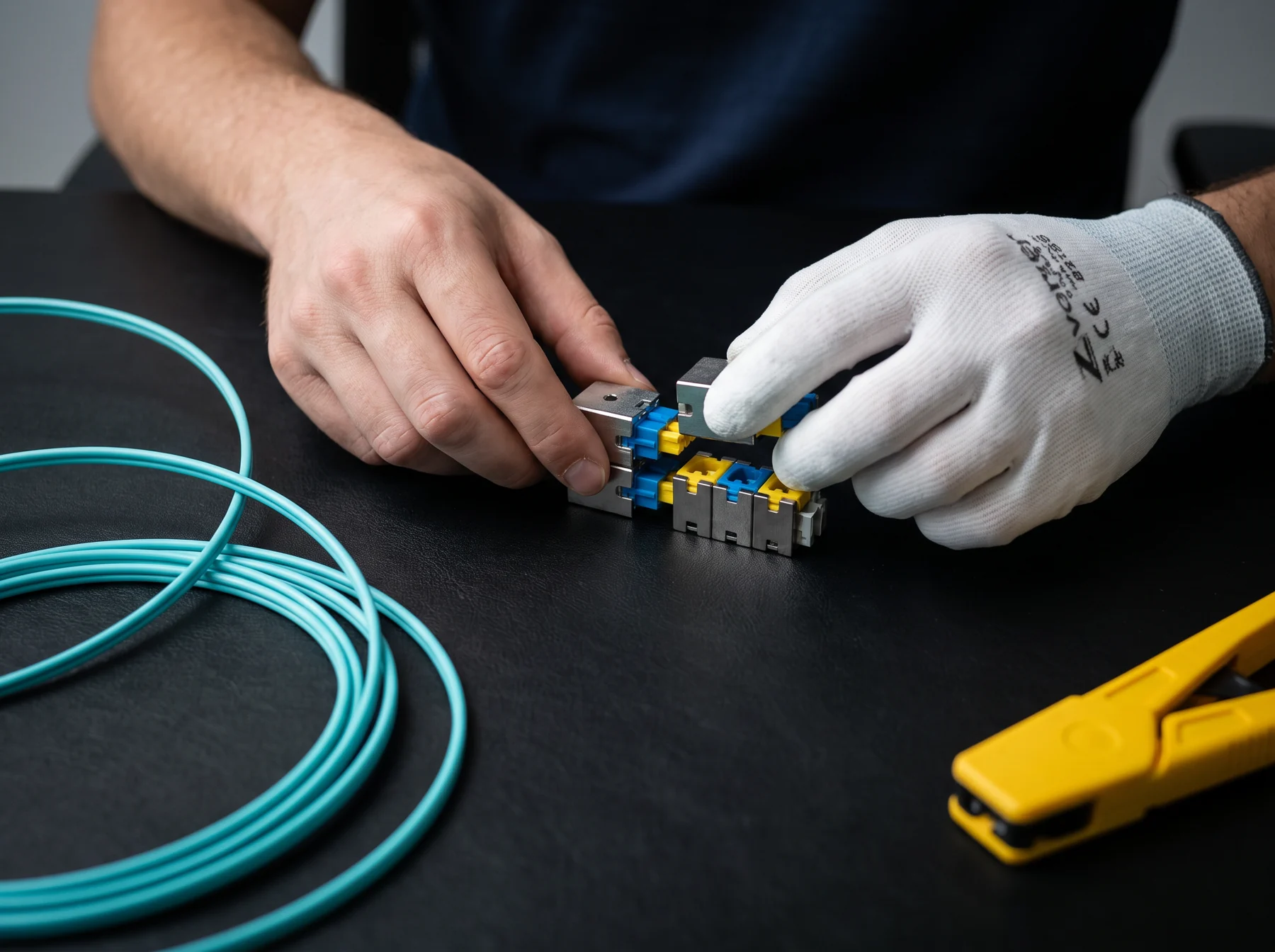
Labels, empty states, service responses, validation, observability and handover notes may look small in isolation. Together they decide whether a system can be trusted and changed.

11 / FAQ
Before the
next build, ask
a clearer question.
A full-stack engagement may include product discovery, interface implementation, services, data structures, integrations, quality checks, documentation and handover support. Scope depends on the system, access and responsibilities. Huladiven does not promise commercial results, security certification, universal scalability or a particular delivery outcome.
Yes, when the initial question is bounded: a product path, a state condition, a service boundary, an integration or a handover problem. A first conversation can clarify the materials and conditions available. It is not a promise to repair, certify, replace or publish an existing system.
Do not send credentials, production keys, private repositories, customer records, confidential code, financial records or other sensitive material through the public form. A short non-confidential description of the system question is sufficient to begin an appropriate conversation.
No. This public site does not process payment, reserve capacity or create a project agreement. If further work is suitable, scope, access, confidentiality, responsibilities, fees, acceptance, cancellation and applicable operating conditions should be set out in a separate written agreement.